The Importance of Strength Training for Everyday Life

Updated: Oct 8
Exercise Helps Protect Everyday Strength
Muscle naturally changes with age. Without regular use, it becomes easier to lose strength, power, and stamina. This can make ordinary tasks feel more tiring than they used to be.
Strength exercise helps slow that decline. It trains the muscles to keep doing the work needed for daily life. This includes the legs, hips, back, shoulders, arms, and hands.
The goal is not to lift heavy weights for the sake of it. The goal is practical strength. Stronger legs help with stairs and walking. Stronger arms assist with carrying, opening, and lifting. A stronger back and core improve posture and confidence.
Balance and Mobility Reduce the Fear of Falling
Falls are a common worry in later life. That fear can lead people to move less, but moving less can make balance worse. A safe exercise routine can help break that cycle.
Balance exercises train the body to react, steady itself, and feel more secure. They also improve awareness of foot placement, posture, and coordination.
Mobility also plays a part. Ankles, hips, shoulders, and the upper back all help the body move well. Gentle stretching and joint movements can make walking, dressing, gardening, and housework feel easier.
This is especially useful in local places where pavements, kerbs, sea air, and changing weather can affect footing. In a coastal town such as Harwich, keeping balance sharp can make daily walks and errands feel more manageable.
Cardio Supports Stamina for the Things That Matter
Cardio exercise is any activity that raises the breathing rate and gets the heart working a little harder. It does not have to be intense. Walking, swimming, cycling on a static bike, dancing, or gentle exercise classes can all count.
Stamina is what helps someone stay active through a whole morning, not just manage one task. It supports:
Walking to the shops
Visiting friends or family
Enjoying days out
Gardening for longer
Keeping up with household jobs
Recovering better after busy days
Regular Movement Supports Independence and Confidence
Independence is not one single ability. It is many small abilities working together. Getting washed and dressed, cooking a meal, walking upstairs, going outside, carrying a bag, and getting into a car all rely on strength, balance, mobility, and stamina.
Exercise supports these abilities by keeping the body ready for real life. It can also support mood, sleep, and social connection. Many people feel better when they have a routine that gives shape to the week.
Confidence is a big part of this. When movement feels uncertain, life can become smaller. People may stop going out, avoid stairs, or give up hobbies. When the body feels steadier and stronger, choices can open up again.
Creating a Balanced Weekly Routine
A balanced weekly routine might include:
Strength Work
Two or three sessions a week, using body weight, resistance bands, or light weights.
Balance Practice
Short, regular sessions, especially for anyone worried about falls.
Cardio Activity
Gentle to moderate movement most days, such as walking or swimming.
Mobility and Stretching
Easy movements to keep joints comfortable and useful.
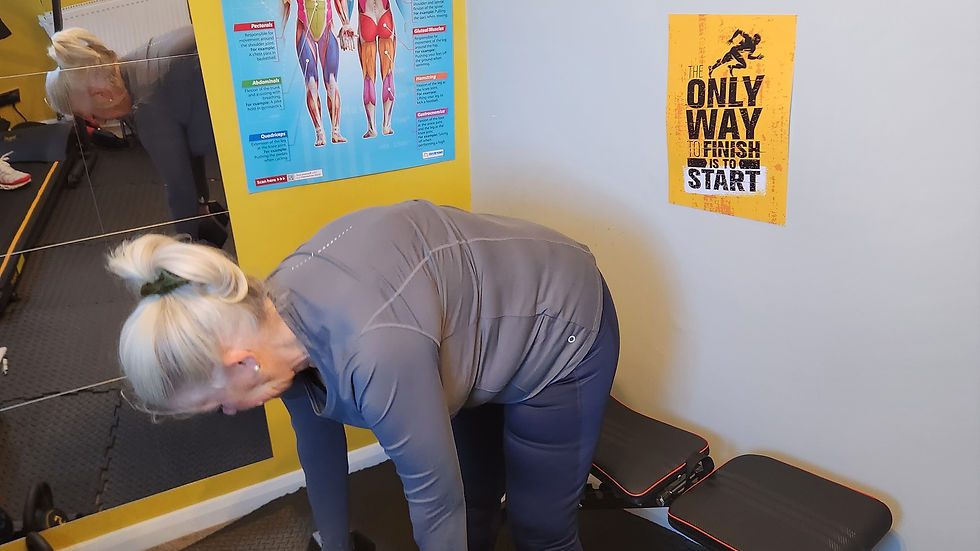
The Main Takeaway: Movement Helps Protect Independence
The main takeaway is simple: movement helps protect independence. Strong muscles, steadier balance, better stamina, and more confidence all support the life people want to keep living. Start where it feels manageable, keep it regular, and let small gains add up.
For more information or to take back control of your life, please visit www.gilberttaylorfitness.com.
Conclusion
In conclusion, incorporating regular exercise into your routine is essential for maintaining strength, balance, and overall well-being. Whether you're just starting out or looking to enhance your current routine, remember that every little bit counts. Embrace the journey towards a healthier, more active lifestyle. You have the power to make a positive change in your life!


Comments